
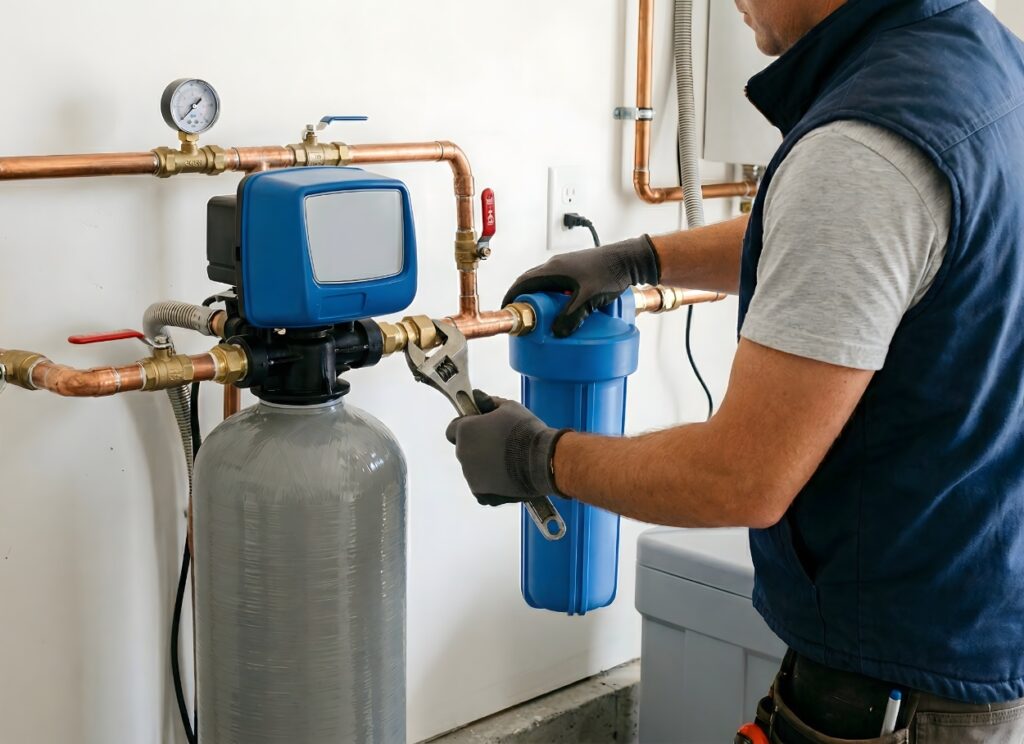
If you live in Cambridge, Maryland, or the surrounding Eastern Shore communities and rely on private well water, you may have noticed an unpleasant rotten-egg smell coming from your faucets. This is a common water quality complaint among well owners, and while the odor can be frustrating, understanding what causes it is the first step toward finding the right solution.
We help homeowners identify water quality concerns and explore whole-home water treatment solutions to improve the water they use every day.
What Causes the Rotten-Egg Smell in Well Water?
The most common cause of a rotten-egg smell in well water is hydrogen sulfide gas (H₂S).
Hydrogen sulfide can occur naturally in groundwater or develop through the activity of sulfur-reducing bacteria. Even small amounts can create a noticeable, unpleasant odor.
Here on Maryland’s Eastern Shore, groundwater conditions can contribute to sulfur-related water problems. Our region’s coastal plain geology, organic-rich sediments, and areas of low-oxygen groundwater can create conditions that allow hydrogen sulfide to form.
While not every well in Cambridge or Dorchester County experiences sulfur problems, homeowners who rely on private wells may encounter this issue.
5 Common Reasons Your Well Water Smells Like Rotten Eggs
1. Naturally Occurring Hydrogen Sulfide
Hydrogen sulfide can develop naturally underground as organic materials break down in low-oxygen environments. When this gas dissolves into groundwater and enters your home’s plumbing, it can create that unmistakable rotten-egg odor.
2. Sulfur-Reducing Bacteria
Certain naturally occurring bacteria can produce hydrogen sulfide as they break down sulfur compounds. These bacteria may be present in groundwater, wells, plumbing systems, or water heaters.
3. Your Water Heater May Be the Problem
Does the rotten-egg smell only happen when you turn on the hot water?
Your water heater could be contributing to the problem. Some water heaters contain magnesium anode rods that can participate in chemical reactions that produce hydrogen sulfide, especially under certain water conditions.
4. Iron and Sulfur Bacteria
Some wells experience a combination of iron-related and sulfur-related problems.
In addition to unpleasant odors, homeowners may notice:
- Orange or reddish-brown staining around sinks, toilets, and tubs
- Slimy buildup inside toilet tanks or plumbing fixtures
- Discolored water
- Unpleasant tastes or odors
These symptoms may indicate that your water needs further testing.
5. Local Groundwater Conditions
The groundwater beneath Cambridge, Dorchester County, and other parts of Maryland’s Eastern Shore can vary significantly from one property to another.
Factors such as soil composition, organic materials, groundwater chemistry, and well depth can all influence water quality.
That’s why two homes just a short distance apart may experience completely different water problems.
Is Sulfur in Well Water Dangerous?
One of the most common questions homeowners ask is whether water that smells like rotten eggs is safe.
At the low concentrations typically associated with household odor complaints, hydrogen sulfide is often more of a nuisance than a direct drinking-water health concern.
However, you should never assume your well water is safe simply because sulfur appears to be the problem.
Private well water can contain other contaminants that have no noticeable smell, taste, or color.
Regular well water testing is important, especially if you notice sudden changes in your water’s odor, appearance, or taste.
How Do You Remove the Rotten-Egg Smell From Well Water?
The good news is that sulfur-related water problems can often be treated!
The key is identifying the source of the odor and selecting a water treatment system designed for your home’s specific water conditions.
Depending on your test results, solutions may include:
Whole-Home Sulfur Filtration Systems
Specialized filtration systems can help remove hydrogen sulfide and reduce unpleasant odors throughout your home.
Iron and Sulfur Removal Systems
For homeowners dealing with both iron staining and sulfur odors, certain treatment systems can address multiple water quality concerns.
Aeration and Oxidation Systems
These systems help remove hydrogen sulfide by introducing air or using controlled oxidation processes followed by appropriate filtration.
Water Heater Maintenance
If the odor is limited to hot water, inspecting and servicing the water heater may help resolve the issue without requiring a whole-house treatment system.
Important: Not every filtration system removes sulfur. A standard water softener or basic sediment filter is not necessarily the solution. Proper water testing helps determine which treatment is appropriate.
Why Water Testing Matters Before Installing a Filtration System
Every well is different, and installing the wrong treatment system can leave homeowners frustrated and spending money unnecessarily.
Water testing can help identify:
- Hydrogen sulfide and sulfur-related concerns
- Iron and manganese
- Water hardness
- pH levels
- Other water quality issues that may affect treatment selection
Private wells should also be tested regularly for bacteria and other potential drinking-water contaminants.
Understanding what’s actually in your water is the best way to choose a system that addresses your home’s needs.
Quality First: Helping Eastern Shore Homeowners Improve Their Water
Whether you’re experiencing a rotten-egg smell, iron staining, hard water, or simply want to better understand your well water quality, we’re here to help you explore the right solution.
We proudly serve homeowners in Cambridge, Dorchester County, and surrounding Eastern Shore communities.
Don’t let unpleasant water odors become part of your daily routine.